How Do You Know Which Chemical Peel Actually Fits Your Skin?
Walk into any skincare conversation online and you will hear ten different opinions about chemical peels, from miracle results to horror stories about peeling for a week straight. The truth sits somewhere in the middle, and it depends a lot on which peel you are actually getting, what it is designed to target, and how your specific skin tends to respond.
This guide walks through how chemical peels work, what the different strength levels actually mean, and what to expect from a VI Chemical Peel for people in Atlanta, Georgia trying to figure out if this is the right move for their skin.
Updated this month for 2026.
What Is a Chemical Peel, Really
A chemical peel is a treatment that applies a solution to the skin to remove damaged outer layers and encourage fresher, more even skin to surface underneath. Depending on the formula, a peel can work on the very top layer of skin or reach deeper into the dermis, which is why not all peels feel or perform the same way.
Peels are generally grouped into three categories:
Superficial peels work on the outermost layer of skin, called the epidermis. These tend to have minimal downtime and are often used for mild dullness or light texture concerns.
Medium depth peels reach into the upper dermis and are typically used for more noticeable concerns like sun damage, uneven tone, or fine lines. Expect some visible peeling for several days.
Deep peels penetrate further into the dermis and are reserved for more significant concerns. These usually require a longer recovery and are performed less frequently than the other two categories.
Most people getting a peel at a medical spa, rather than a dermatology office for a specific medical concern, are looking at superficial to medium depth options, which is where treatments like the VI Chemical Peel come in.
What Makes the VI Chemical Peel Different
Skin So Bare Laser Center offers VI Chemical Peels as part of their treatment menu, and one of the reasons this particular peel has become so popular is that it is formulated to work across a wide range of skin concerns and skin tones, rather than being limited to one narrow use case.
A VI Peel typically blends several active ingredients together, which allows it to target multiple things at once, including:
Uneven skin tone and dullness. The peel helps remove buildup on the surface of the skin, which can leave complexion looking brighter and more even almost immediately after healing.
Fine lines and rough texture. By encouraging skin cell turnover, the peel can soften the look of fine lines and smooth out rough texture over a series of treatments.
Acne and post breakout marks. Because the formula helps clear out pores and calm inflammation, it is often used by people dealing with breakouts or the marks left behind after them.
Hyperpigmentation. Dark spots, sun spots, and other forms of discoloration are one of the most common reasons people book a peel in the first place.
If your main concern is discoloration specifically, Skin So Bare has written more in depth about how peels interact with deeper skin tones in their piece on chemical peels for dark skin in Atlanta, Georgia, which is worth a read if that is your specific situation. You can also learn more generally about hyperpigmentation as a concern and how it develops.
What Actually Happens During and After a Peel
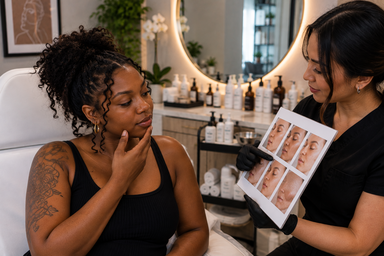
A typical chemical peel appointment starts with a skin consultation, where a provider looks at your skin type, tone, and current concerns before deciding on the right formula and strength for you. The solution is then applied for a set amount of time and neutralized or left to work depending on the specific peel.
Afterward, most people notice some tightness, redness, or mild flaking, which usually starts within a day or two and can last anywhere from three to seven days depending on the depth of the peel. This is genuinely part of the process, not a sign that something has gone wrong. New skin needs to shed the old layer to reveal what is underneath.
During the healing window, sun protection is not optional. Freshly treated skin is significantly more sensitive to UV exposure, and skipping sunscreen can undo a lot of the benefit or even cause new discoloration, which is the opposite of what most people are trying to fix.
Who Is a Good Candidate for a Chemical Peel
Chemical peels work for a wide range of skin types and tones when the right formula and strength are chosen for that individual. Good candidates generally include people dealing with:
Dullness or an uneven complexion that has not responded to at home products.
Occasional breakouts or leftover marks from past acne.
Fine lines or early texture changes.
Sun damage or patches of discoloration that have built up over time.
That said, peels are not the right fit for everyone at every moment. Active skin infections, certain medications like recent isotretinoin use, and some skin conditions can mean a peel needs to wait or be adjusted. This is exactly why a real consultation with a licensed provider matters more than picking a peel off a menu based on a friend's recommendation.
How Often Should You Get a Chemical Peel
For most people using a peel like the VI Peel for general skin maintenance, providers often suggest a series of treatments spaced several weeks apart to start, followed by maintenance sessions every few months. Skin renews itself on its own cycle, so spacing treatments out gives your skin time to fully recover and show its results before the next round.
Trying to rush the process by peeling too frequently can actually backfire, leading to irritation or sensitivity rather than faster results. This is another area where a professional's guidance is going to matter more than a generic schedule pulled from the internet.
Combining a Chemical Peel With Other Treatments
Chemical peels are often used alongside other services depending on your overall skin goals. Someone focused on texture and tone might pair a peel with microneedling on alternating visits, while someone with more general maintenance goals might rotate a peel with a customizable facial to keep skin balanced between more intensive sessions.
If you are curious about building out a full routine rather than a single treatment, Skin So Bare's signature skin programs are designed around exactly that kind of longer term planning, and their full services menu gives a sense of what else could fit alongside a peel.
Frequently Asked Questions
Does a chemical peel hurt? Most people describe a warming or tingling sensation during the treatment rather than pain. Any discomfort is usually brief and manageable.
How long does peeling last after treatment? It depends on the depth of the peel, but visible flaking generally lasts three to seven days for a medium depth peel like the VI Peel.
Can a chemical peel help with acne scars? Chemical peels can improve the appearance of surface level texture and post breakout marks over time, though deeper scarring often responds better when a peel is combined with other treatments like microneedling.
Is a chemical peel safe for all skin tones? Yes, when the right formula and strength are chosen for your specific skin. A consultation helps determine what is appropriate for your tone and concerns.
How soon will I see results after a chemical peel? Many people notice brighter, more even looking skin within a week or two, once any visible peeling has resolved.
Peel Back the Guesswork
Chemical peels get a mixed reputation online mostly because people compare wildly different strengths and formulas as if they are all the same thing. They are not. The right peel, matched to the right skin, tends to deliver results people are actually happy with. If you are in Atlanta, Georgia and ready to talk through your options, Skin So Bare Laser Center can walk you through what makes sense for your skin.