Why Do Some People Get Dark Spots More Easily Than Others?
Updated October 2026
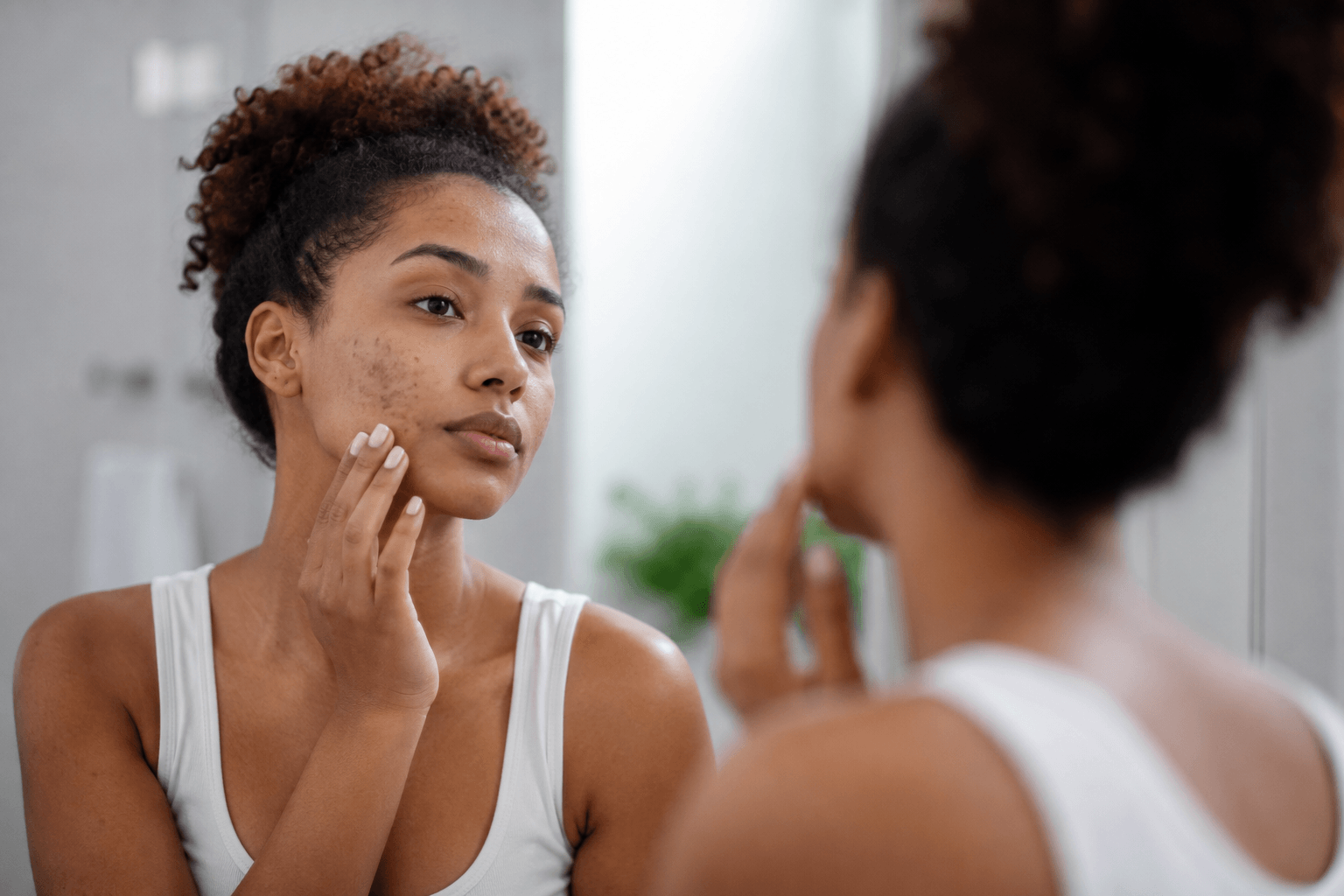
Two friends get the same breakout the same week. One heals clean in a few days. The other is left with a dark mark that lingers for months. Same pimple, very different outcome, and it can feel deeply unfair.
It isn't random. Whether your skin leaves a spot behind depends on how your pigment cells react to stress, and that reaction is shaped by skin tone, genetics, hormones, habits, and even the Atlanta weather. People sometimes search for "Uneven Skin Tone Treatment" when this happens, but the real goal is simpler and healthier: understanding why your skin overreacts so you can prevent new spots and help existing ones fade back to your natural tone.
What Actually Causes a Dark Spot to Form?
Dark spots form when melanocytes, the cells that make pigment, produce extra melanin in one area and deposit it unevenly. Melanin is your skin's natural defense system. When the skin senses a threat, whether that's UV light, heat, or inflammation, it can respond by making more pigment.
The most common triggers include:
- Sun exposure, which directly stimulates melanin production
- Inflammation from acne, eczema, cuts, burns, bug bites, or harsh products
- Hormonal shifts, which play a major role in melasma
- Heat, which can aggravate pigment even without direct sunlight
In other words, a dark spot is your skin's memory of something that irritated it.
Why Are Some Skin Tones More Prone to Hyperpigmentation?
Does having more melanin mean more dark spots?
Melanin-rich skin has more active pigment cells, and those cells tend to respond more strongly when triggered. That offers real advantages, including some natural sun protection, but it also means the skin is more likely to answer inflammation with darkness instead of just redness.
That's why post-inflammatory hyperpigmentation is so common in medium to deep skin tones, and why PIH can last longer in skin of color than on lighter complexions.
Do genetics play a role?
Yes. How reactive your pigment cells are is partly inherited. If parents or siblings tend to scar dark or struggle with melasma, there's a good chance your skin behaves similarly.
Is sensitive skin more likely to darken?
Skin that gets inflamed easily has more opportunities to produce pigment during healing. Reactive skin plus melanin-rich skin is the combination that needs the most careful, gentle handling.
How Do Acne and Other Skin Conditions Lead to Dark Marks?
Why does acne leave spots behind?
Every inflamed breakout signals the skin to heal, and in many people that healing process includes extra pigment. Deeper, more painful breakouts and picked pimples usually leave the darkest and longest-lasting marks. If breakouts are frequent, managing acne and acne scars is a big part of preventing new spots.
Can PCOS make dark spots more likely?
People with PCOS often deal with hormonal acne along the jaw and chin, along with excess hair growth that can lead to shaving irritation. Both increase the chance of dark marks. Skin So Bare works with clients managing PCOS-related skin and hair concerns alongside their medical care.
What about hidradenitis suppurativa?
Hidradenitis suppurativa (HS) is a chronic inflammatory condition that causes painful bumps in areas like the underarms and groin, and repeated flare-ups can leave discoloration behind. HS should be diagnosed and managed by a dermatologist or physician. Some people with HS also explore supportive options to reduce hair in flare-prone areas as part of their broader care plan.
Can shaving and ingrown hairs cause dark spots?
Absolutely, and this is one of the most overlooked causes. Razor bumps and ingrown hairs on the face, neck, underarms, and bikini area create constant low-level inflammation, and the dark marks get renewed with every shave. Reducing the irritation source, for example with laser hair removal for unwanted and ingrown hair, can help break that cycle over time.
Do Hormones Make Certain People More Prone to Pigmentation?
Why is melasma linked to hormones?
Melasma often appears or worsens during pregnancy, with hormonal birth control, or during other hormonal changes. It shows up as symmetrical patches across the cheeks, forehead, or upper lip and is known for being persistent and sensitive to heat and light.
Can gender-affirming hormone therapy affect skin?
It can. Hormone therapy may change oil production, acne patterns, and how skin responds to irritation, and estrogen is one of the hormones associated with melasma. Everyone's experience is different, so it helps to work with a provider who understands these changes. Skin So Bare proudly welcomes transgender clients and people of all gender identities and builds plans around each person's skin as it is today.
Which Daily Habits Make Dark Spots Worse?
- Skipping sunscreen, or wearing it only on sunny days
- Picking, squeezing, or scrubbing breakouts
- Over-exfoliating or stacking too many strong actives
- DIY remedies like lemon juice or baking soda
- Repeated friction from tight clothing, shaving, or waxing
- Spending long stretches in the heat, from hot workouts to summer afternoons outdoors
Why Does Atlanta's Climate Matter for Hyperpigmentation?
Atlanta gets strong sun for much of the year, and summers are long, hot, and humid. Heat and UV both stimulate pigment, so spots that fade over winter can return when the weather warms up. Whether you live in Midtown, Inman Park, Grant Park, or Decatur, this seasonal pattern is often the first clue that heat and sun are part of the problem.
How Can You Lower Your Risk of New Dark Spots?
- Wear broad-spectrum sunscreen every day and reapply when you're outdoors
- Treat breakouts early and keep your hands off them
- Keep your routine simple, gentle, and barrier-friendly
- Address the source of repeated irritation, including razor bumps
- Get a professional opinion before trying aggressive treatments on reactive skin
What Should You Do If You Already Have Dark Spots?
Prevention keeps new spots from forming, but existing ones often need targeted help. At Skin So Bare Laser Center, care for brown spots and hyperpigmentation is built around melanin-rich and sensitive skin, often using Aerolase NeoElite skin treatments, an FDA-cleared 1064 nm laser suitable for all skin tones, or the Even Tone Protocol in our Signature Skin Programs.
For a full breakdown of your options, see what actually works for hyperpigmentation in Atlanta.
Your Skin Isn't Overreacting, It's Overprotecting
Dark spots are your skin trying to defend itself, just a little too enthusiastically. Once you know what sets yours off, whether that's sun, heat, hormones, breakouts, or a razor, you can stop feeding the cycle and start working with your skin instead of against it.
Want help figuring out your triggers? Book a consultation at our studio on Auburn Avenue in Old Fourth Ward.
Your Questions About Why Dark Spots Form
Why do my dark spots last so long?
Pigment from inflammation can sit deeper in the skin and clear slowly, especially in melanin-rich skin. Without sun protection and a consistent plan, some marks can take many months to fade.
Are darker skin tones harder to treat for dark spots?
Not harder, but they need more precision. Melanin-rich skin can respond to aggressive treatments with more pigment, so settings, products, and pacing should be chosen specifically for your skin tone.
Can a single pimple really leave a mark for months?
Yes. In skin prone to PIH, even one inflamed breakout can leave a flat dark mark that lingers long after the bump is gone, especially if it was picked or exposed to sun.
Does heat cause dark spots even without sun?
Heat can aggravate pigment, particularly melasma, even when you're not in direct sunlight. Hot workouts, saunas, and long Atlanta summers can all play a role.
Can dark spots come back after they fade?
They can, especially if triggers like sun, heat, hormones, or irritation return. Daily SPF and a maintenance plan make results much easier to keep.