Can Laser Hair Removal Help Manage Hidradenitis Suppurativa? What to Know Before Starting Treatment
Living with HS means dealing with a condition that's often misunderstood, sometimes dismissed, and frequently mismanaged simply because it isn't talked about enough. If you've spent time researching options and landed here, you've probably already learned more about hidradenitis suppurativa than most general practitioners bring up in a typical appointment. This piece is meant to add one more piece to that puzzle: how hair removal fits into the picture, and what it can realistically offer.
What Is Hidradenitis Suppurativa and How Does Hair Play a Role in Flare-Ups?
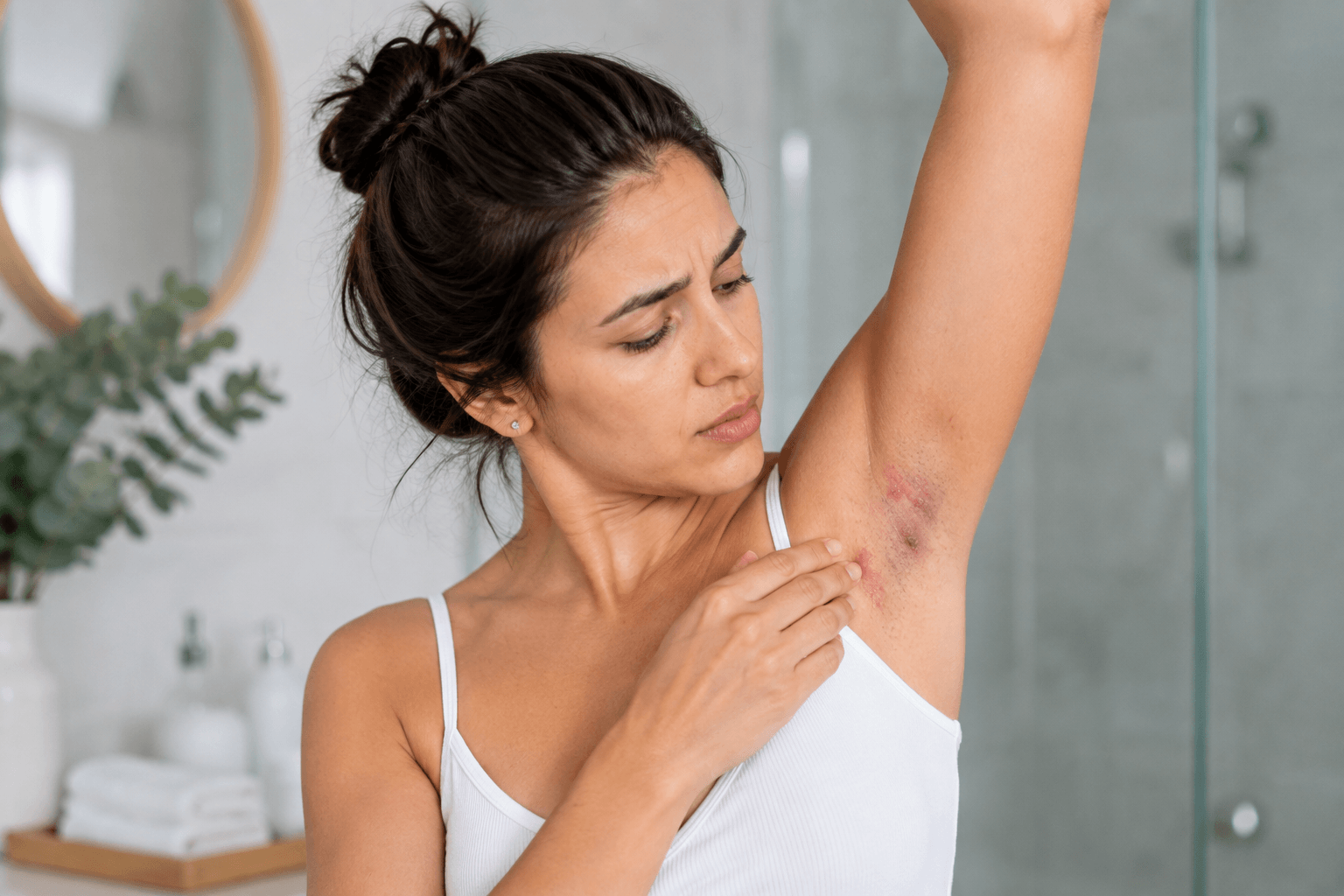
Hidradenitis suppurativa, often shortened to HS, is a chronic skin condition that affects areas with a high concentration of hair follicles and sweat glands, most commonly the underarms, groin, and inner thighs. It causes painful lumps, abscesses, and in some cases, tunnels beneath the skin, and flare-ups are often triggered or worsened by friction, sweat, and irritation in those areas.
Hair follicles themselves are believed to play a role in how flare-ups develop, since blocked or inflamed follicles are part of the underlying process behind HS lesions. This is part of why some dermatologists and patients alike have looked at hair removal, specifically laser hair removal, as a potential way to reduce the frequency or severity of flare-ups over time, alongside whatever medical treatment plan a person already has in place with their physician.
It's important to be clear here: laser hair removal is not a treatment for HS itself, and it isn't a substitute for dermatological or medical care. It's a complementary option some patients explore to help reduce friction and follicle-related triggers in affected areas.
Can Laser Hair Removal Reduce HS Flare-Ups Over Time?
Some research and clinical observation suggests that reducing hair in affected areas can help reduce friction and follicle blockage, two known contributors to HS flare-ups. Our Laser Hair Removal service uses Aerolase NeoElite technology, which is designed to be gentler on sensitive and reactive skin, an important factor for anyone dealing with skin that's already prone to inflammation.
We've built a dedicated HS concerns page specifically because we understand this isn't a typical hair removal conversation. It requires a slower, more careful approach, and a real conversation about your history with flare-ups before any treatment plan is put together.
What Should Someone With HS Expect During a Laser Hair Removal Consultation?
A consultation for HS-related laser hair removal looks a little different from a standard one. We'll ask about your flare-up history, which areas are most affected, whether you're currently in an active flare or between flares, and what other treatments you're using, whether that's topical medication, oral medication, or a treatment plan from a dermatologist.
Timing matters quite a bit here. We generally recommend waiting until any active lesions have healed before starting laser treatment in that specific area, since treating actively inflamed or open skin isn't safe or effective. This means your treatment plan may need to be more flexible and paced around how your condition is behaving at any given time, rather than a fixed, one-size-fits-all schedule.
Is Laser Hair Removal Safe for Sensitive or Affected Skin Areas?
When approached carefully, yes. The key is working with a provider who takes the time to understand HS rather than treating it like a standard hair removal case. We adjust settings, pacing, and treatment areas based on what your skin is actually dealing with at the time of your visit, and we're upfront if we think a particular session should wait until your skin has calmed down.
This is also an area where communication with your dermatologist can be genuinely useful. If you're being treated for HS medically, letting us know what that treatment involves helps us plan sessions that complement your care rather than working against it.
A Note for Our Atlanta Clients
We work with clients across Atlanta, including those in Midtown and Old Fourth Ward, who've often spent years feeling like their options were limited to medical management alone. We want to be honest that laser hair removal isn't a cure and won't replace your dermatologist. What it can offer is one more tool, used carefully and patiently, that may help reduce some of the friction-related triggers behind flare-ups over time.
If you're dealing with HS and considering this option, we'd genuinely rather have an honest, unhurried conversation with you first than rush you into a treatment plan that doesn't account for what your skin is actually going through.
What to Do Before Your First Appointment
If you're currently in a flare, it's best to wait until things have settled before reaching out to schedule. If you're between flares and curious about whether this could help, reach out to our team and we can talk through your history and figure out a realistic starting point together.
Frequently Asked Questions
Can laser hair removal cure hidradenitis suppurativa? No. It may help reduce some friction-related triggers in affected areas, but it's not a treatment or cure for HS itself, which requires ongoing medical management.
Is it safe to get laser hair removal during an active HS flare? No, treatment is generally paused in areas with active lesions or inflammation until the skin has healed.
Do I need my dermatologist's approval before starting laser hair removal for HS? It's not always required, but it's a good idea to loop in your dermatologist, especially if you're on active treatment for HS, so your care stays coordinated.
How is treatment different for HS compared to standard laser hair removal? Sessions tend to be paced more carefully around flare cycles, with extra attention paid to skin condition and comfort at each visit.
Moving Forward, One Step at a Time
Managing HS is already a full-time effort, and it deserves a provider who treats it that way rather than rushing through a standard hair removal script. If you're exploring whether laser hair removal could be a helpful addition to your routine, we're happy to have that conversation honestly, at your pace.
Schedule a consultation whenever you feel ready, there's no pressure to move faster than your skin is ready for.