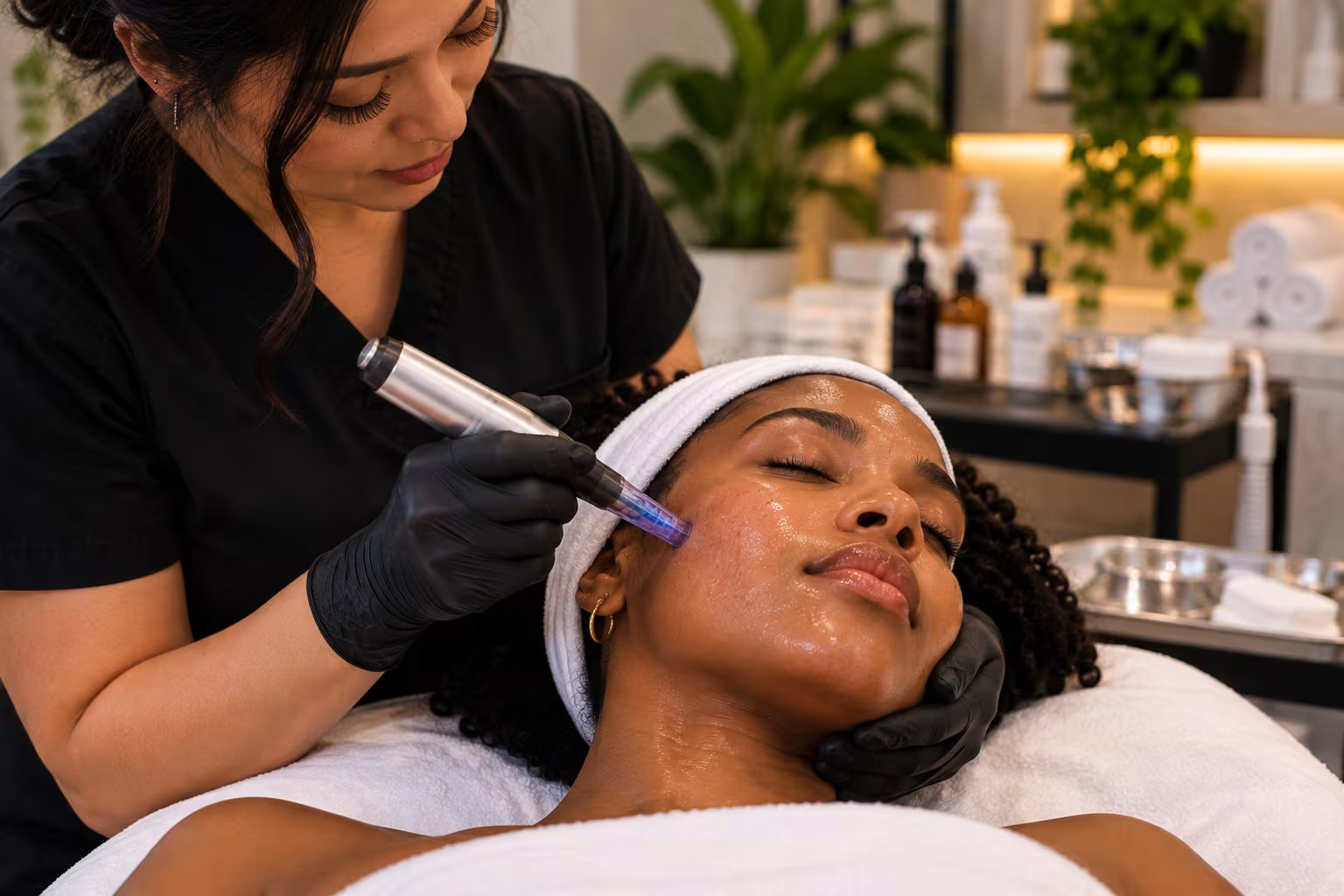
What Is Microneedling, Actually, and How Does It Work?
What is microneedling and why does it seem to come up in nearly every conversation about skin texture, scarring, or aging? If you have seen the term thrown around online but never gotten a straight answer about what actually happens during the treatment, this is the plain language explanation, written for anyone considering it for the first time, regardless of age, gender, or skin tone.
This guide covers what microneedling is, how the process physically works on your skin, what symptoms and skin concerns it is commonly used for, and what a first appointment usually looks like for someone in Atlanta, Georgia considering it for the first time.
Updated this month for 2026.
The Simple Definition
Microneedling is a skin treatment that uses a device covered in very fine, sterile needles to create tiny, controlled punctures across the surface of the skin. Those punctures are shallow and precise, not deep wounds, but they are enough to trigger the skin's natural healing response.
That healing response is really the whole point of the treatment. When skin senses this kind of controlled injury, it responds by producing new collagen and elastin, the two proteins responsible for keeping skin firm, smooth, and resilient. Over time, that renewed collagen is what leads to visible improvements in texture, tone, and firmness.
You may also hear microneedling referred to as collagen induction therapy, which is really just the more clinical name for the same process.
How the Actual Appointment Works
A typical microneedling session follows a fairly consistent structure, though the exact details can vary slightly by provider.
Step one: skin assessment. Before any needling happens, a provider looks at your skin, your skin tone, discusses your goals, and makes sure microneedling is actually appropriate for what you are dealing with.
Step two: cleansing and numbing. Your skin is thoroughly cleansed, and a topical numbing solution is typically applied for a short period to keep the treatment comfortable.
Step three: the needling itself. A handheld device with fine needles is moved across the treatment area in a controlled pattern. Needle depth is adjusted based on the area of the face or body being treated and the specific concern.
Step four: soothing and protection. After the needling is complete, a calming serum or mask is often applied to support the skin as it begins healing, followed by sun protection guidance for the days after.
Most sessions take somewhere between thirty minutes to an hour depending on the size of the treatment area.
What Microneedling Is Commonly Used For
Because collagen production benefits so many different skin concerns, microneedling has become a fairly versatile treatment. Some of the most common reasons people book it include:
Rough or uneven texture. By encouraging fresh collagen, microneedling can help smooth out skin that feels bumpy or uneven to the touch. You can learn more about this specific concern on the rough texture page.
Acne scarring. Especially the shallower, more textural type of scarring left behind after breakouts, including rolling and mild boxcar scarring.
Fine lines and early signs of aging. As natural collagen production slows with age, microneedling can help support skin's structure from underneath, along with mild sagging in areas where skin has started to lose its natural firmness. Skin So Bare's page on tired, sagging skin covers this concern in more detail.
Enlarged pores. Firmer surrounding skin can make pores appear visually smaller, even though the treatment does not change pore size directly.
Overall dullness and tired looking skin. Increased cell turnover after treatment often leaves skin looking brighter in the days following a session.
Is Microneedling Only for Certain Ages or Genders
No, and it is worth saying that directly. Microneedling was never designed around a single age group or gender, and providers see a genuinely wide range of clients for it, from people in their twenties dealing with acne scarring to people in their sixties and beyond focused on firmness and texture. Age related skin changes, like slower natural collagen production, affect everyone eventually, so it is never really too early or too late to have a conversation about whether it makes sense for your skin.
Men make up a growing portion of microneedling clients as well, often coming in for the same reasons as anyone else, old acne scarring, texture, or general skin maintenance, without any of it needing to be treated as unusual.
Does Microneedling Hurt
This is one of the most common questions people have before trying microneedling for the first time, and the honest answer is that most people find it very manageable. A topical numbing solution is typically applied before treatment, which significantly reduces sensation. Most clients describe feeling mild pressure, warmth, or a light vibrating sensation rather than sharp pain.
Sensitivity can vary depending on the treatment area, with thinner skin areas sometimes feeling slightly more noticeable than others, but it is generally considered a well tolerated, in office procedure.
What Recovery Actually Looks Like
Immediately after treatment, it is normal for skin to look and feel similar to a mild sunburn, with some redness and warmth. This typically calms down within one to three days for most people.
For people with deeper skin tones, it is worth knowing that any controlled skin injury, including microneedling, carries a somewhat higher chance of temporary post inflammatory pigment changes compared to lighter skin. This usually resolves on its own, and a provider experienced across a range of skin tones will typically adjust needle depth and aftercare guidance to help reduce that risk from the start.
During the recovery window, it is important to avoid harsh actives, direct sun exposure without protection, and heavy makeup for at least the first day, since skin is in an active healing state. Most providers give specific aftercare instructions tailored to your skin and the treatment intensity used that day.
Visible surface irritation resolves quickly, but the deeper collagen building process continues for several weeks after each session, which is why results tend to build gradually rather than appearing overnight.
Who Should Consider Microneedling
Microneedling tends to be a good option for people who want a versatile treatment that supports overall skin quality rather than targeting just one narrow concern. It is often a good fit for people dealing with mild to moderate texture concerns, early signs of aging, or scarring who are looking for a treatment with relatively minimal downtime compared to more intensive procedures.
It can also be worth exploring for anyone whose skin has changed noticeably due to a hormonal shift, including transgender and nonbinary clients on hormone therapy who notice their oil production, pore size, or overall texture changing as testosterone or estrogen levels shift. Skin adapts throughout a transition just like it does through puberty or menopause, and a treatment plan can be adjusted to match where your skin actually is right now rather than where it used to be.
That said, microneedling is not appropriate for everyone in every situation. Active skin infections, certain skin conditions, and some medications can mean microneedling needs to wait or be approached differently, which is why an honest consultation with a licensed provider matters before booking, in a space where you feel comfortable sharing your full health picture.
How Microneedling Compares to Other Skin Treatments
It is easy to see microneedling grouped together with treatments like a chemical peel or laser facial since they all aim to improve skin texture and tone, but the mechanism behind each one is different. A chemical peel works by removing damaged outer layers of skin using a solution, a laser facial uses light based energy, and microneedling works through physical, mechanical stimulation of collagen from within the skin. Depending on your specific goals, a provider might recommend one of these on its own or combine a few of them over time as part of a broader skin plan.
What This Looks Like at Skin So Bare
At Skin So Bare Laser Center in Atlanta, Georgia, microneedling appointments start with a real conversation about your skin, your history, and your goals before any treatment plan is built, no matter your age, gender, or where you are in a health or hormonal journey. You can see the full details on the microneedling service page, or explore the complete services menu to compare it against other options that might fit your skin.
Frequently Asked Questions
What exactly does microneedling do to your skin? It creates tiny, controlled punctures that trigger the skin's natural healing response, prompting new collagen and elastin production that improves texture, tone, and firmness over time.
Is microneedling the same as a facial? No. A facial typically works on the surface of the skin using products and techniques, while microneedling physically stimulates deeper collagen production using fine needles.
How long does a microneedling appointment take? Most sessions take between thirty minutes and an hour, depending on the treatment area and any add ons used.
Is there downtime after microneedling? Most people experience mild redness for one to three days, similar to a light sunburn, with minimal true downtime for most day to day activities.
Is microneedling safe for darker skin tones? Yes, when performed by a provider experienced with a range of skin tones. The main consideration is a slightly higher chance of temporary pigment changes after treatment, which is typically managed with adjusted needle depth and aftercare.
How is microneedling different from a device like SkinPen? SkinPen is a specific brand of microneedling device. The underlying process, using fine needles to stimulate collagen, is the same general concept across professional microneedling devices, though features can vary by brand.
Now You Actually Know What It Is
Microneedling is not some mysterious trend, it is a straightforward, well studied way to encourage your skin to repair and strengthen itself from the inside out, whatever age, gender, or skin tone you are starting from. If you are in Atlanta, Georgia and curious whether it is the right fit for your skin, Skin So Bare Laser Center can walk you through what a personalized plan would look like.